Rabbits and hares fall through gaps in animal law
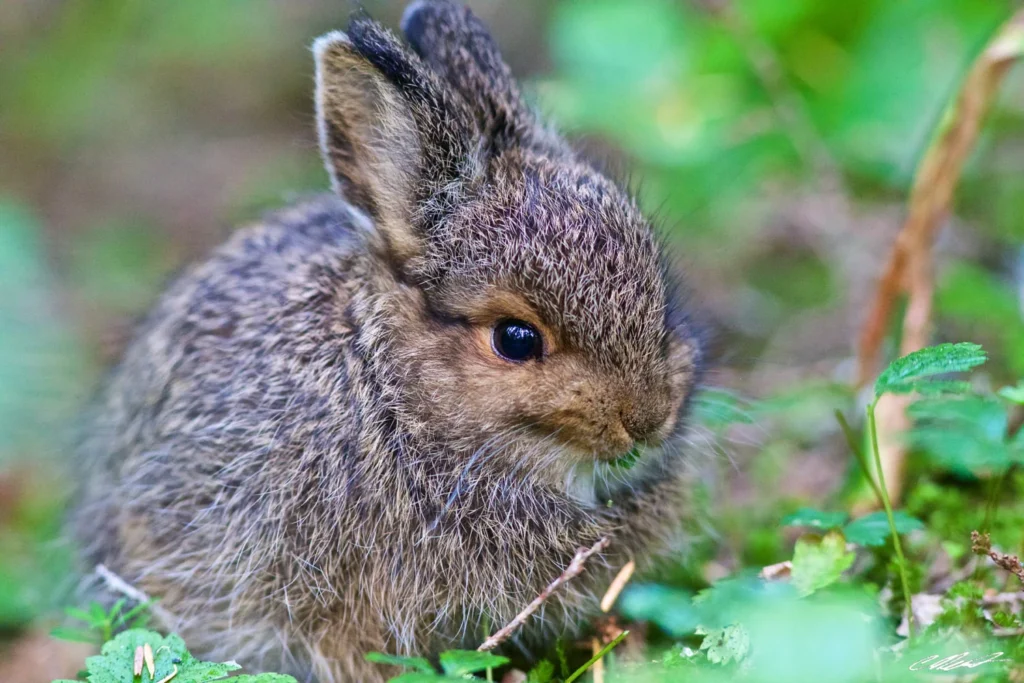
A rabbit’s legal protection depends on whether it is a pet, farmed for meat, used in research or living wild. We call that the category gap.
We find gaps in protection, document them and put the evidence before governments and regulators.
Founded by Mandi, Hop to Save Rabbits is a small UK-based group.
We do not run a rescue centre, but we can point you towards organisations that may be able to help.
One animal. Four rulebooks

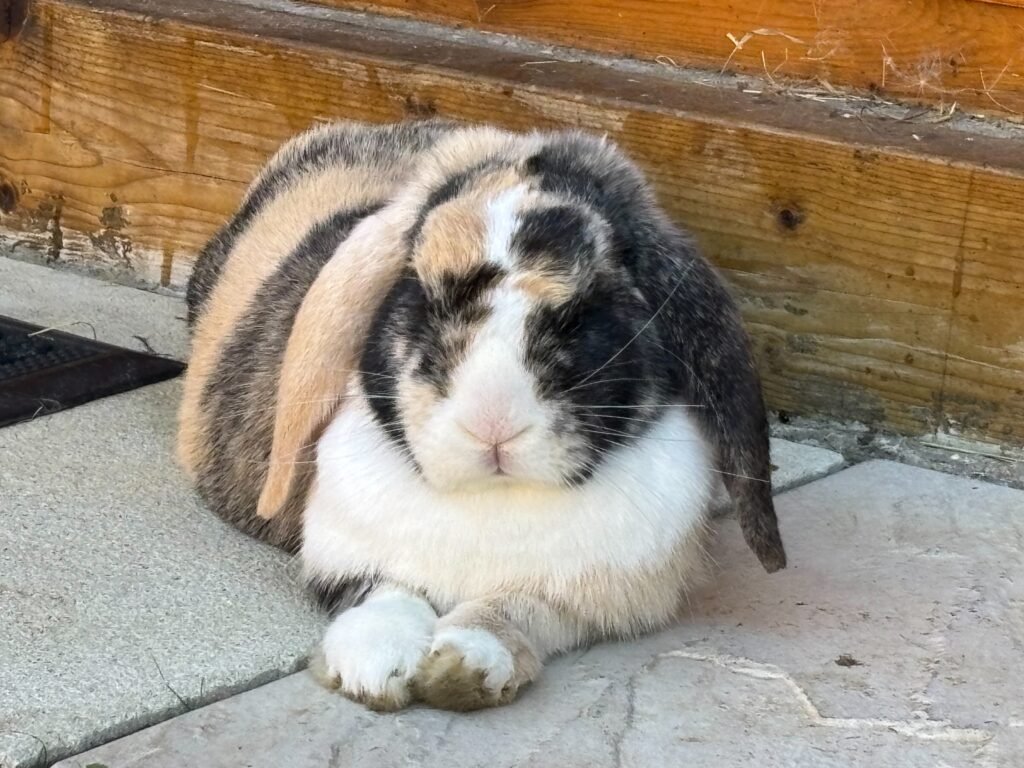
Pet
Companion animal rules

Farmed
Meat-trade rules

Research
Laboratory rules

Wild
Wildlife rules
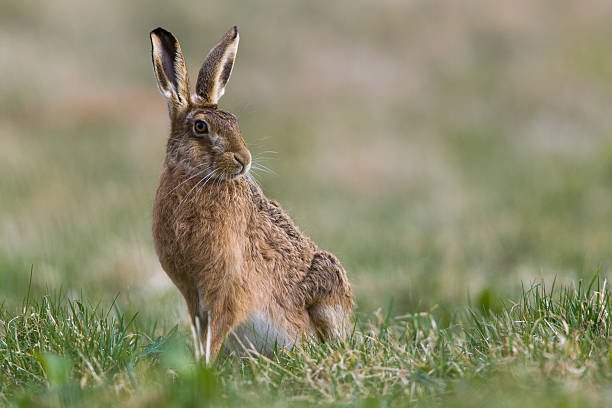
Hares face different rules again.
EVIDENCE OF OUR WORK
Decision-makers have read it
Sentencing Council
We argued that animal suffering, injury and death should count as serious harm in hare-coursing cases.
The Council named and quoted HTSR. Its final guideline places animal distress, injury and loss of life in its highest harm category.
House of Commons
Three HTSR papers on rabbit trade, labelling and farming were published in a parliamentary committee’s evidence record.
Competition and Markets Authority
The CMA published our submission on veterinary services in September 2026, including concerns about care and information for rabbit owners.
Rabbits and hares – closing the gap
We work to close those gaps for companion and farmed rabbits, and for wild rabbits and hares.
We submit evidence to governments, regulators and parliamentary committees, and run or support targeted campaigns.
Impact at a glance
18 formal submissions and representations across 9 countries and the EU
3 HTSR papers in the House of Commons evidence record
Named and quoted by the Sentencing Council
Our impact so far
Our work covers wild and domestic rabbits and hares in the UK and internationally. Some submissions have produced published outcomes; others remain pending.
OFFICIAL RECOGNITION
The Sentencing Council named and quoted HTSR
PARLIAMENTARY RECORD
HTSR evidence entered the House of Commons record
FORMAL PARTICIPATION
Formal evidence submitted in the UK and overseas
CURRENT POSITION
Further government and corporate decisions are awaited
Selected outcomes
Quoted by BBC Wales · 2 July 2026
BBC Wales quoted Hop to Save Rabbits in coverage of proposals for better rabbit-welfare education before acquisition, including why many welfare problems begin before a rabbit is bought or adopted.
Read the BBC coverage →
Hare-coursing sentencing guidelines
HTSR asked for suffering, injury and death to count as serious harm. The Sentencing Council named and quoted HTSR in its official consultation response.
Read the outcome →
UK parliamentary evidence
HTSR submitted evidence on trade, labelling, farming and rabbits as a gap species. Three HTSR papers entered the official House of Commons record.
See our parliamentary evidence →
In the media
Featured research and updates
Recent HTSR research, submissions and campaign analysis spanning wild and domestic rabbits and hares.
-
VARC 2026: Rabbits in Law and Policy — From the Meat Trade to Military Training
Dedicated to Sandy, 15 August 2019 – 17 March 2026, with love. I was honoured to speak at VARC 2026 on rabbits in law and policy. This presentation examined how…
-
Overview: Ending the Era of Animal Testing
This report by Hop to Save Rabbits examines the legal, ethical, and scientific arguments against the continued use of animals in laboratory research. While millions of animals—including rabbits, dogs, and…
-
Overview: Tackling the Rabbit Abandonment Crisis
Rabbit abandonment is a significant and growing welfare crisis across the UK. While the tireless work of rescue centres remains vital, long-term success depends on a “prevention-first” approach that addresses…

View all research and updates →
How we create change
HTSR works in two ways. We submit evidence to governments, regulators, parliamentary committees and companies. We also lead or amplify credible petitions. Formal evidence puts rabbit and hare welfare before decision-makers; petitions show public support for change.
Where we’re heading

Our long-term goals cover rabbits and hares: end the hunting of wild rabbits and hares; end the farming, slaughter and trade of rabbits for meat; and require rabbit breeders to be licensed under robust, enforceable welfare and accountability standards.
These are long-term goals, not immediate demands. We work towards them through practical, evidence-led reforms in law, welfare standards, licensing, education, enforcement, transparency and humane alternatives.
See our current work →